Causes of Female Hair Loss
at maxim hair restoration
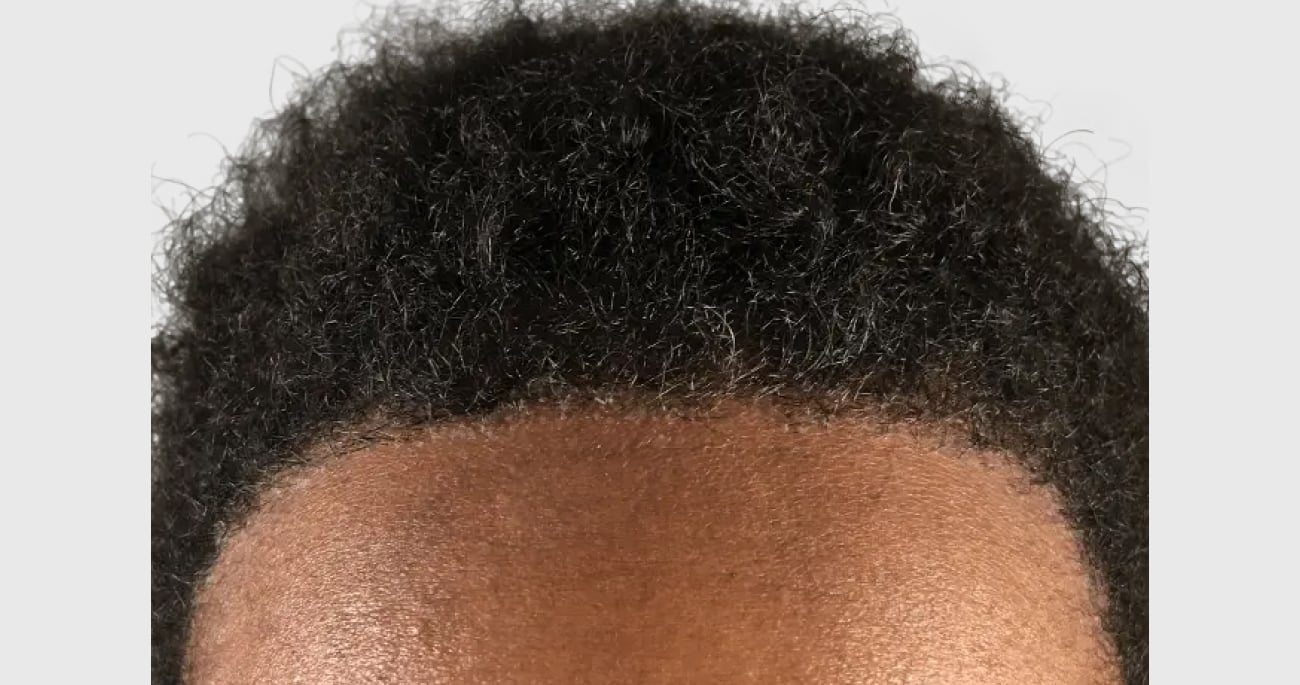
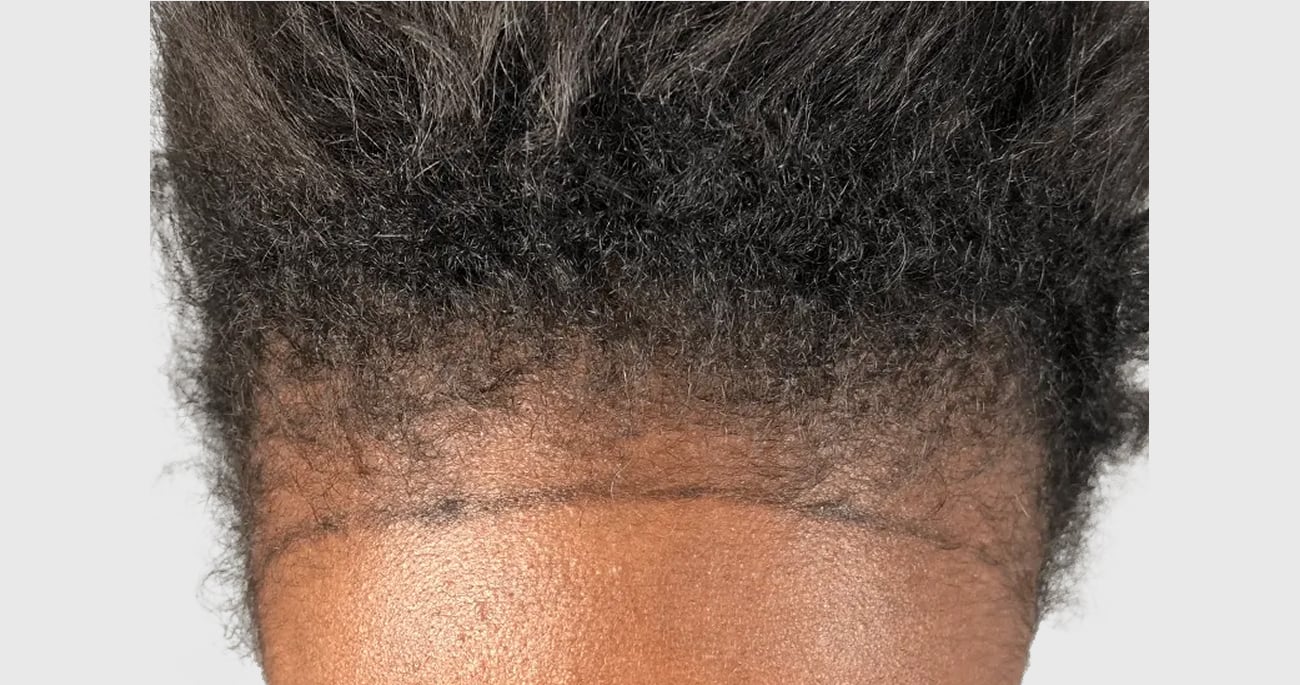
Understanding Why Women Lose Hair and What Can Be Done About It
Discovering more hair in your brush, noticing a widening part, seeing increased scalp visibility, or realizing your ponytail feels thinner can be frustrating and emotional. For many women, hair is closely connected to confidence, identity, and self-image.
Female hair loss is common, but it is not one-size-fits-all. Hair loss is usually a symptom of something deeper, which is why identifying the cause is the first step toward choosing the right treatment. At Maxim Hair Restoration, we evaluate each woman's hair loss pattern, medical history, scalp health, and goals before recommending a personalized plan.
Types of Female Hair Loss
Female hair loss can happen for many reasons. Some types are temporary, while others may continue to progress without proper diagnosis and treatment.
Our Gallery
Proven outcomes backed by experience and expertise
The Diagnostic Process at Maxim Hair Restoration

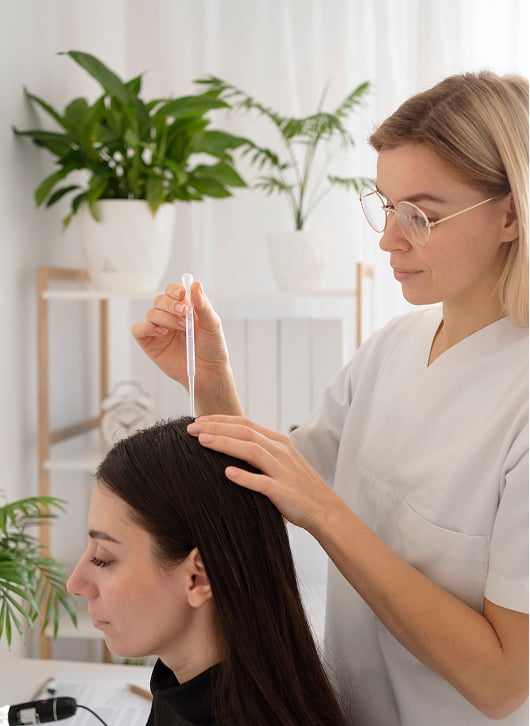
Comprehensive Trichological Assessment
Every evaluation begins with a detailed review of your hair loss pattern, scalp condition, density changes, and overall hair characteristics.

Medical History Review
We review your medical history, medications, family history, hormonal changes, recent stressors, pregnancy history, nutrition, and lifestyle factors to better understand what may be contributing to your hair loss.

Scalp Examination
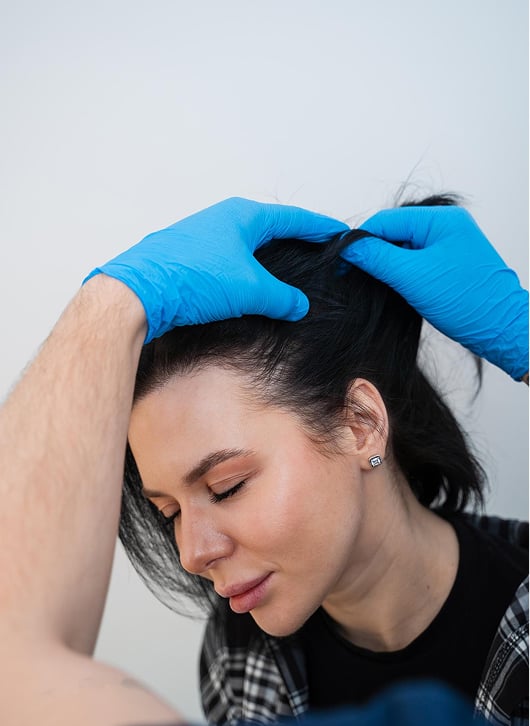
Our team carefully examines the scalp and follicles to determine whether the hair loss appears genetic, inflammatory, traction-related, hormonal, temporary, or permanent.

Laboratory Recommendations
When appropriate, we may recommend lab work to evaluate iron levels, thyroid function, vitamin deficiencies, hormone levels, and other possible contributors.

Personalized Treatment Plan
Once the likely cause is identified, we create a customized plan that may include PRP, exosomes, stem cell therapies, laser therapy, medications, hair transplantation, or a combination approach.
Why Choose Maxim for Female Hair Loss Evaluation

Specialized Focus on Hair Restoration
Our team focuses exclusively on hair loss and hair restoration, allowing us to evaluate female hair loss with a more specialized approach.

Comprehensive Treatment Options
We offer both surgical and non-surgical solutions, including PRP, exosomes, stem cell therapies, laser therapy, prescription options, FUE, FUT, and long-term maintenance programs.

Physician-Led Evaluation
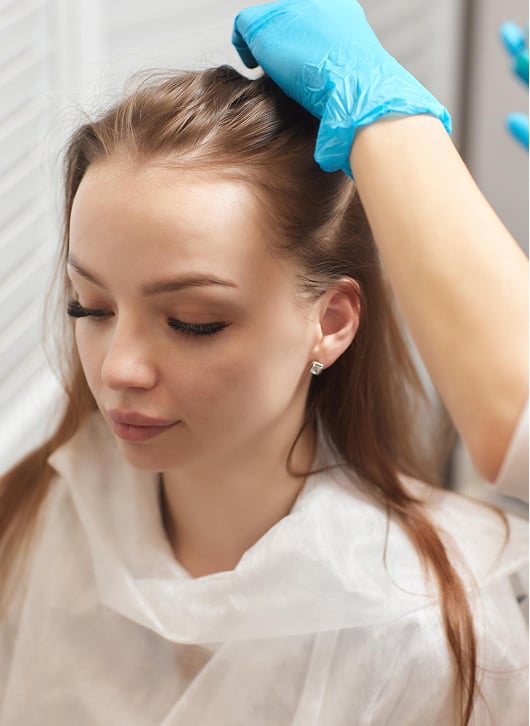
Every recommendation begins with a detailed assessment by experienced hair restoration professionals who understand the complexity of female hair loss.

Customized Care
No two women experience hair loss the same way. Every plan is designed around your diagnosis, goals, donor characteristics, and long-term hair health.
Contact us
If you have been asking yourself why your hair is thinning or shedding, the first step is getting an accurate diagnosis. Schedule your free consultation and trichological assessment today to better understand the cause of your hair loss and explore the best treatment options for your goals.
Frequently Asked Questions
Helpful information to guide your hair restoration decisions.


Blogs
Insights, guides and updates from the world of hair restoration.